
Unmet Need in Obesity
Obesity remains a significant global challenge, costing the US healthcare system alone $172bn/year, with over 220 associated comorbidities including cardiovascular disease (US cost: $233bn/year) and diabetes ($413 bn/year).1
GLP-1 therapies have improved outcomes for many; however, they are associated with low tolerability, loss of lean mass, and weight bounce-back.
Up to 30-40% of people with obesity have adipocyte dysfunction (lipotoxicity) and related insulin resistance also involving mitochondrial dysfunction. This subset is often characterized by simultaneous presence of enlarged waist circumference and elevated triglycerides in the blood. These people are at disproportionately high risk of progressing to serious chronic diseases such as metabolic-associated fatty liver disease (MAFLD), metabolic-associated steatohepatitis (MASH), type 2 diabetes and atherosclerotic cardiovascular disease (ASCVD), with associated elevated risk of acute events and mortality.
We urgently need treatment options that can address metabolically unhealthy obesity at its root.
1. Source: US CDC

Relative risks for metabolically unhealthy obese patients vs metabolically healthy non-obese:
- 10x Greater risk of Type 2 Diabetes
- 7.4x Greater risk of MASLD or MASH
- 3x Greater risk of atherosclerotic CVD
- 2.7x Greater risk of cardiovascular events and all-cause mortality
- 2.5x Greater risk of heart failure
- 2x Greater risk of respiratory disease
Our Approach
We are addressing the vicious cycle of fat deposition, lipotoxicity and metabolic inflexibility in obesity.
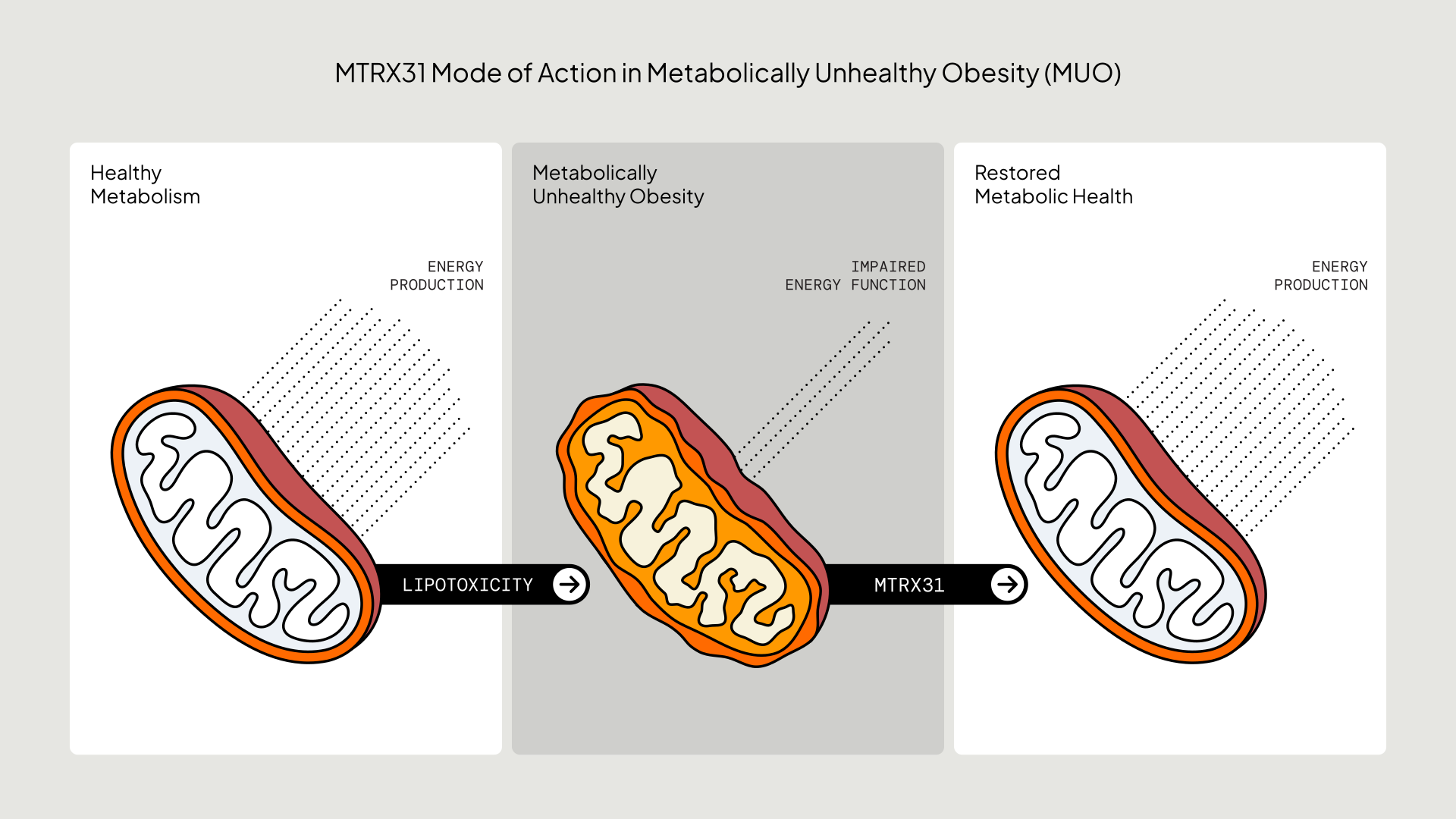
In metabolically unhealthy obesity, ectopic fat is progressively deposited in organs such as the liver, pancreas, heart and skeletal muscle. This lipotoxicity drives cardiometabolic disease progression through triggering insulin resistance, chronic low-grade inflammation, glucose intolerance, and an atherogenic lipid profile. Increased fatty acid availability also disrupts normal mitochondrial function, suppressing carbohydrate oxidation leading to metabolic flux into de novo lipogenesis, thereby promoting further ectopic fat accumulation.
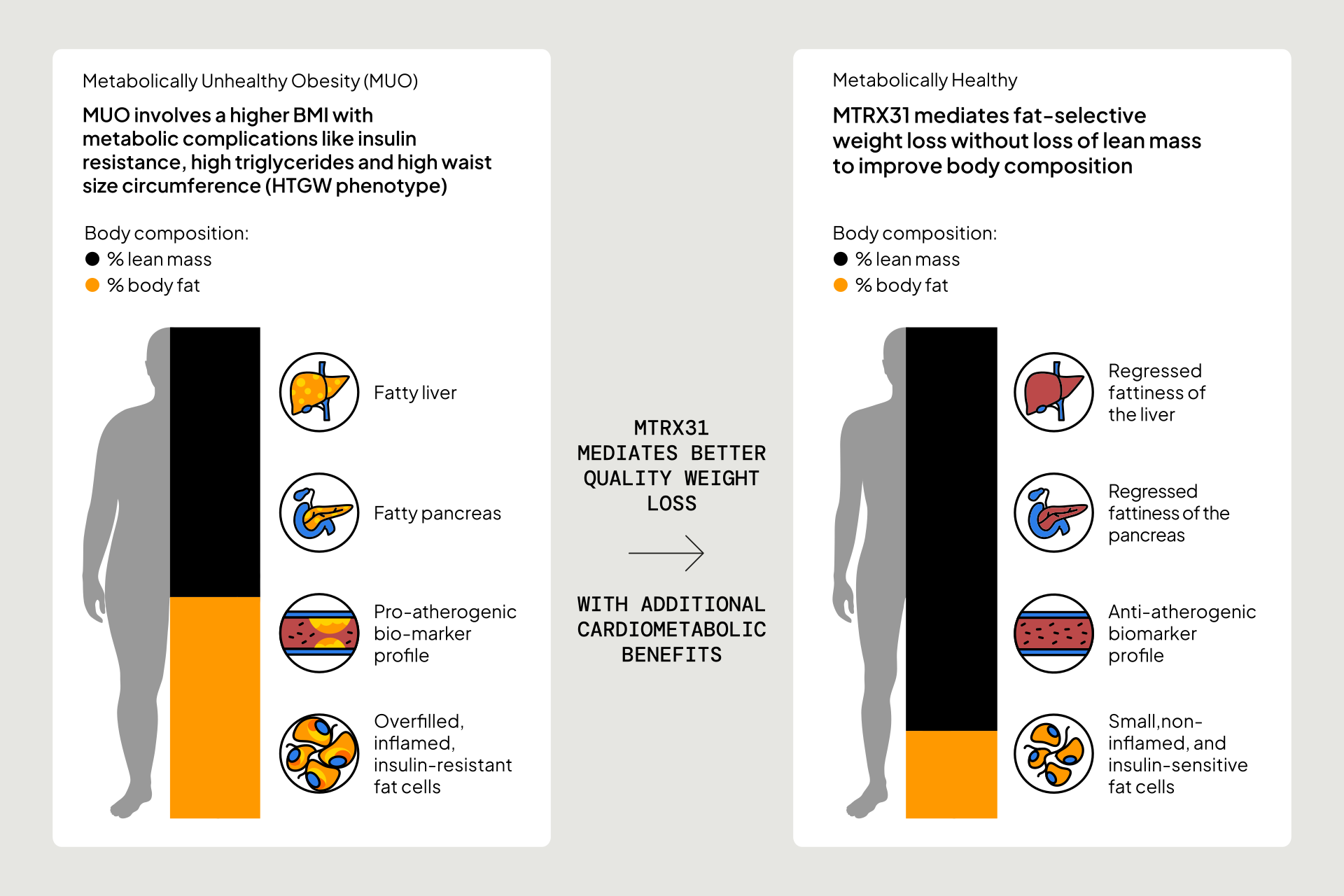
MitoRx’s approach breaks this cycle by targeting mitochondria directly, restoring the balance between fat and carbohydrate oxidation to healthy levels. The consequent regression of ectopic fat, increase in insulin sensitivity with concomitant improvement of glucose tolerance and circulating lipid profiles, in effect is a reversal of the trajectory of metabolically unhealthy obesity toward chronic cardiometabolic diseases and its acute complications.
Read more about our pipeline.
Publications
-
Read More
- Publications
- 1 June 2026
Myo-004 (MTRX31) induces bodyweight loss in DIO at thermoneutrality by switching metabolism from fat to carbohydrate oxidation
-
Read More
- Publications
- 26 August 2025
Characterization of Myo4 in the murine diet-induced obesity model: a first-in-class anti-obesogenic muscle-preserving small molecule metabolic modulator
-
Read More
- Publications
- 20 June 2025
Myo4, a First-in-Class Anti-obesogenic and Muscle Preserving Small Molecule Metabolic Modulator